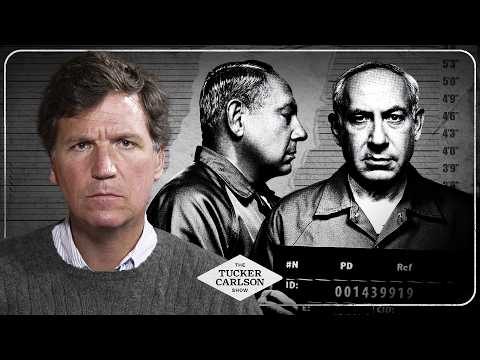
This episode features economist Jeffrey Sachs discussing alarming claims about political coercion at the highest levels of American government and the deteriorating global position of the United States. The conversation centers on allegations that Israeli Prime Minister Netanyahu claims to control Donald Trump through blackmail, bribes, and fear tactics, suggesting that American foreign policy decisions may be compromised by coercion rather than determined by national interest or democratic processes. Sachs argues that a growing international coalition is uniting against American interests, representing a fundamental shift in the global power structure. The discussion explores how various geopolitical crises, including the Ukraine conflict and the Gaza situation, are interconnected with deeper strategic competition between major powers. Sachs presents evidence that traditional American influence and soft power are eroding as countries increasingly align with alternative power centers. The episode examines the mechanisms through which smaller nations like Israel can exert disproportionate influence over American policy through institutional capture and political leverage. Sachs expresses concern that these dynamics undermine both American democracy and effective foreign policy decision-making. The conversation addresses how economic interdependence, military alliances, and intelligence operations create vulnerabilities that can be exploited for coercive purposes. Throughout the discussion, Sachs emphasizes that understanding these hidden power dynamics is essential for comprehending current global instability and conflict. The episode suggests that many Americans are unaware of the extent to which their country's foreign policy is shaped by foreign leverage rather than transparent democratic debate. Sachs advocates for greater transparency and accountability in how American policy decisions are made, particularly regarding Middle East and Eastern Europe policies. The broader theme centers on the decline of American influence and the rise of a multipolar world in which traditional American power cannot impose its will unilaterally. The conversation implies that addressing these challenges requires honest acknowledgment of how coercion and corruption have infiltrated the highest levels of government decision-making. This episode challenges viewers to reconsider conventional narratives about American foreign policy and consider alternative explanations for seemingly irrational or self-defeating policy choices.