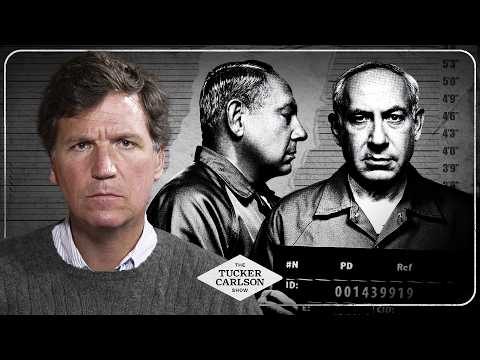
This episode presents a controversial narrative surrounding Dr. Kirk Moore, a physician who made significant decisions regarding COVID-19 vaccines and his patients. The core argument centers on informed consent and the right of patients to make their own medical decisions without coercion. According to the episode, Dr. Moore allowed his patients to choose whether or not to receive the COVID vaccine, a stance that led to serious legal consequences including potential life imprisonment charges from federal prosecutors.
The episode raises questions about vaccine developer liability and legal immunity from lawsuits, suggesting this protection removes accountability mechanisms. It explores the infrastructure surrounding vaccine development and distribution, including alleged involvement by prominent figures in global health and pharmaceutical industries. The narrative suggests there is a coordinated effort to suppress doctors who question vaccines or present alternative perspectives on public health policy.
A particularly significant portion of the episode focuses on Dr. Moore's decision to administer fake vaccines to patients as an alternative to actual COVID vaccines. This decision appears to stem from his belief that the vaccines themselves posed health risks and that patients should have genuine choice. The episode chronicles how federal law enforcement responded to his medical practice through surveillance, a sting operation, and ultimately storming his office.
The prosecution against Dr. Moore resulted in serious criminal indictments and substantial financial costs for his legal defense. The episode documents his experience in the criminal justice system, including time spent in jail and the struggle to get the case dismissed. It emphasizes the financial ruin that resulted from legal battles and the broader implications for medical professionals who challenge established health policies.
Throughout the episode, there are references to broader themes including government overreach in healthcare, the influence of wealthy individuals and corporations in public health decisions, censorship of dissenting medical opinions, and the militarization of healthcare systems. The episode suggests these elements combine to create an environment where doctors face severe consequences for practicing medicine according to their own judgment and their patients' wishes.
The narrative presented frames this case as exemplifying a larger pattern of suppressing medical professionals who question mainstream health narratives or pharmaceutical industry initiatives. It connects these themes to broader political and corporate power structures while questioning the transparency and accountability of health authorities and pharmaceutical companies.