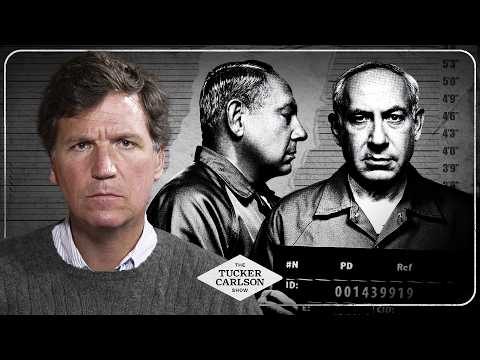
In this episode, Bernard Hudson, a veteran of CIA counterterrorism operations, provides an insider's critique of the U.S. intelligence establishment. Hudson describes his experiences working within the CIA and explains how institutional failures shaped major policy decisions over the past two decades. A central focus of the conversation is the Iraq War, which Hudson characterizes as a complete disaster rooted in flawed intelligence analysis and institutional groupthink. He details how the intelligence community failed to accurately assess the situation on the ground and how political pressures influenced intelligence assessments.
The discussion then shifts to Tulsi Gabbard's nomination as Director of National Intelligence. Hudson argues that the establishment opposition to Gabbard stems from her independence and willingness to challenge the institutional consensus within the intelligence community. He suggests that career intelligence officials fear her potential to declassify sensitive information and reform agency practices. This resistance reveals, according to Hudson, the deep entrenchment of institutional power within Washington's permanent bureaucracy.
Hudson raises concerns about the unchecked power wielded by intelligence agencies and questions whether key figures in Washington are being blackmailed by intelligence services. He discusses the intelligence community's persistent refusal to declassify files related to major historical events including the JFK assassination and 9/11 attacks. This secrecy, Hudson suggests, indicates that these agencies are hiding information that would undermine public trust and institutional legitimacy.
The conversation addresses recent major incidents including the New Orleans attack and the Cybertruck explosion at Trump Tower. Hudson analyzes these events as potential indicators of security failures and raises questions about the circumstances surrounding both incidents. The discussion explores whether these attacks represent coordinated threats or isolated incidents and what they reveal about domestic security vulnerabilities.
A significant portion of the episode focuses on CIA involvement in the Ukraine-Russia conflict. Hudson discusses how intelligence agencies have shaped U.S. foreign policy decisions and questions the extent of CIA operations in Eastern Europe. He raises concerns about the consequences of intelligence-driven interventionism and the risks of escalating tensions with Russia.
Finally, Hudson addresses the dangers posed by advancing drone technology. He discusses both the technical capabilities of modern drones and the strategic implications of their proliferation. The conversation explores how drone warfare has changed military conflict and raises questions about oversight and accountability in drone operations. Throughout the episode, Hudson emphasizes the need for greater transparency and accountability within intelligence agencies and argues that Gabbard's confirmation could represent a significant step toward institutional reform.