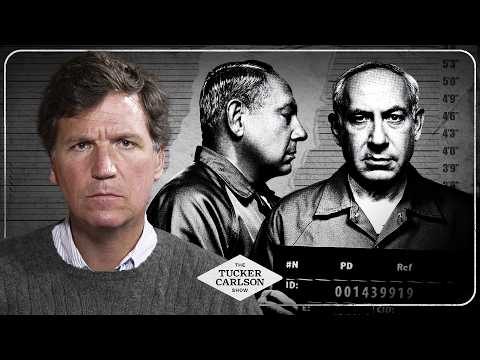
This episode features a discussion with Carrie Prejean Boller about her experience on Trump's Religious Liberty Commission and the pressure she faced regarding her stance on Benjamin Netanyahu and Israel. Prejean, who has been a vocal Christian commentator since 2009, accepted an appointment to the commission only to discover that her position came with an unexpected requirement: unwavering support for Netanyahu and Israeli government policies.
The episode begins by examining the composition and purpose of the Religious Liberty Commission, particularly the role of Paula White, a controversial religious advisor. As Prejean worked on the commission, she received what she describes as a threatening phone call warning her of serious consequences if she did not publicly pledge loyalty to Netanyahu. This call prompted her to reconsider her involvement and ultimately led to her removal from the position.
A central theme throughout the conversation is replacement theology, a Christian doctrine that some interpret as requiring believers to transfer their religious and political allegiance from the Jewish people to the Christian church. The episode explores how this theological framework may have influenced the pressure placed on Prejean to support Israeli government policies as a matter of Christian faith.
The discussion also tackles the contentious question of whether criticism of Zionism or Israeli government policies constitutes anti-Semitism. This distinction has become increasingly difficult to maintain in public discourse, with many who express concerns about Gaza or Israeli military actions facing accusations of bigotry. Prejean's experience illustrates how this conflation affects individuals trying to maintain consistent Christian values while navigating contemporary geopolitical realities.
Another significant aspect of the episode concerns why other commission members and Catholic leaders have largely failed to defend Prejean despite her principled stance. The episode suggests that fear of accusations and social ostracism may prevent religious figures from speaking out on behalf of a colleague. Additionally, the conversation explores whether Prejean's removal was strategic preparation for broader U.S. military involvement in the Middle East, particularly potential military action against Iran.
The episode includes discussion of conflicts with other commentators and commission members, including a notable feud with Seth Dillon. These disputes highlight the intense pressure within conservative Christian circles regarding positions on Israel and Netanyahu. Throughout the conversation, Prejean's refusal to compromise her stated Christian beliefs for a politically appointed position is portrayed as an act of integrity in an environment where such consistency is increasingly rare. The episode raises fundamental questions about religious freedom, political loyalty, and whether Christians can maintain independent judgment on foreign policy issues or face pressure to align with particular political positions.